5 MW Enterprise Deployment
Potential considerations
- Moderate rack density
- Traditional air cooling
- Standard enterprise redundancy
- Gradual deployment ramp
- Broad provider compatibility
Capacity solutions
Capacity Finder helps organizations identify near-term, long-term, AI-ready and strategic data center capacity based on power, density, cooling, network, market, timing and growth requirements. We evaluate existing facilities, future developments and expansion opportunities to help infrastructure teams find capacity aligned to both today's deployment and tomorrow's growth.
Whether you need capacity this quarter or are planning infrastructure several years ahead, Capacity Finder helps identify options aligned to your technical requirements, growth strategy and deployment timeline.
Capacity Finder Framework
The right sourcing strategy depends on what kind of capacity the infrastructure actually requires. Deployment timing, power, density, cooling, growth and commercial flexibility can create very different capacity searches.
Existing infrastructure capable of supporting near-term deployment.
Best suited for
Where can this workload realistically deploy now?
Capacity being created through new development, expansion phases or infrastructure scheduled for future delivery.
Best suited for
Where is the capacity we will need being created?
Infrastructure capable of supporting high-density compute requirements where conventional available capacity may not be technically viable.
Best suited for
Can the available capacity actually support the compute?
Infrastructure opportunities designed around long-term scale rather than a single deployment.
Best suited for
Can this location support where the infrastructure needs to be three, five or ten years from now?
Capacity Finder Principle
The capacity strategy should match the deployment strategy.
A near-term enterprise requirement should not be sourced the same way as a 20 MW AI deployment or a multi-phase infrastructure program. Capacity Finder helps determine which part of the market should be searched before determining which opportunities should be pursued.
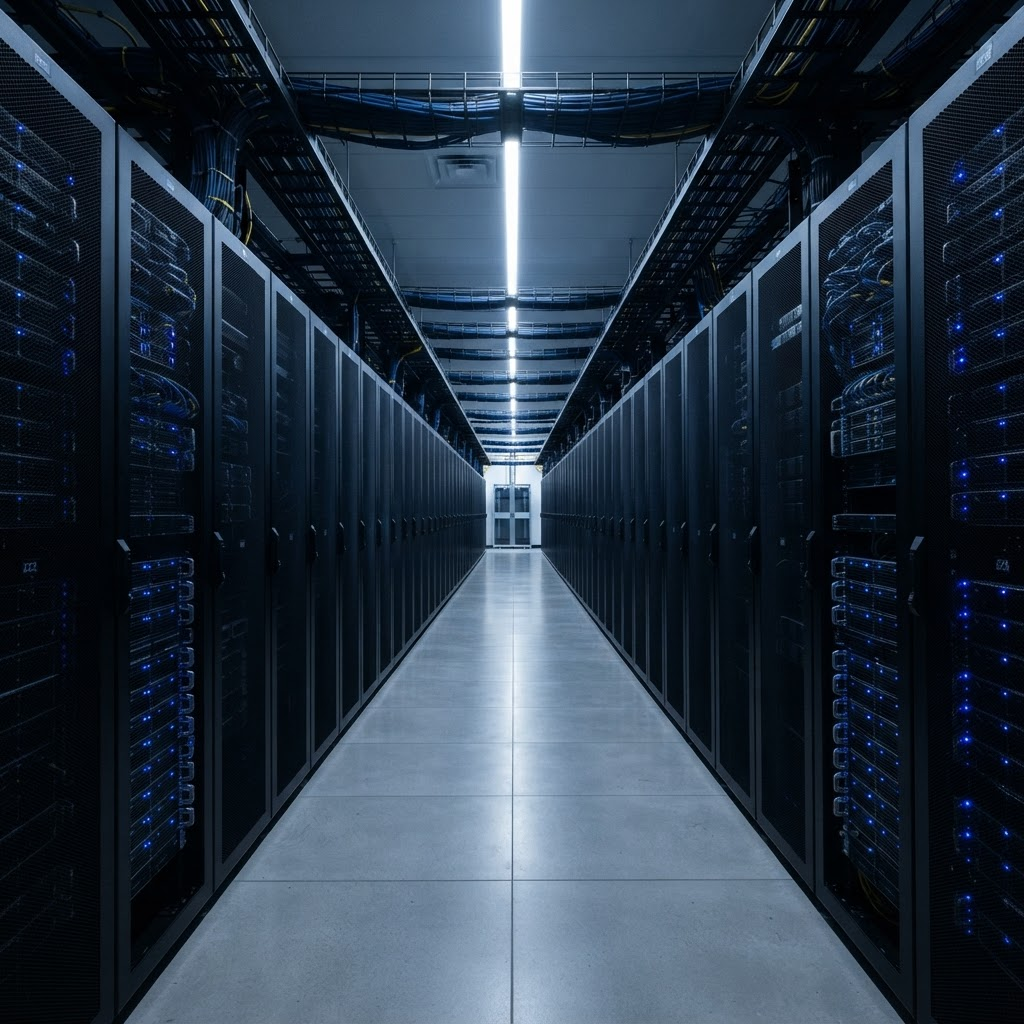
Near-term capacity
Near-term requirements demand fast access to accurate market information.
Capacity Finder helps identify facilities and providers capable of supporting deployments that cannot wait for multi-year development cycles.
Long-term capacity
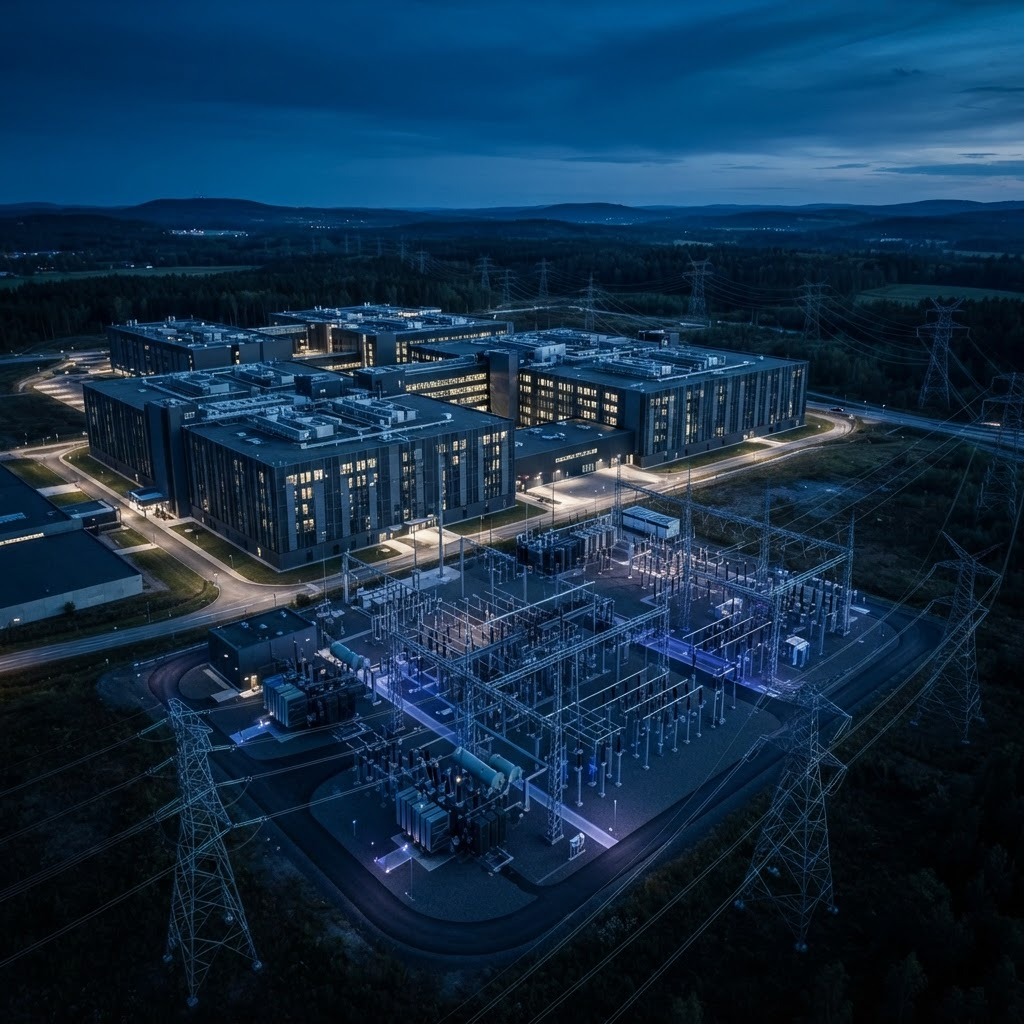
Large infrastructure requirements often require planning well before deployment.
The objective is not simply finding today's capacity.
It is understanding where tomorrow's capacity is being created.
AI + high density
AI infrastructure introduces requirements that traditional colocation searches may not adequately address.
Higher densities, liquid cooling, power availability, network architecture and rapid scaling can dramatically narrow the number of viable options.
Capacity Finder helps identify infrastructure capable of supporting modern compute environments.
Capacity Finder Perspective
Two infrastructure requirements can each request 5 MW and require completely different data center solutions.
Potential considerations
Potential considerations
Capacity should be evaluated against the workload behind the megawatts—not the megawatts alone.
Capacity Finder Principle
Start with the workload. Then find the capacity.
Market intelligence
Capacity decisions should be informed by more than a provider proposal. Understand how markets compare across the factors that shape execution.
Contract + negotiation
Once the right opportunity is identified, the commercial process begins. Specialized teams can help customers navigate the terms that determine whether an opportunity works.
Capacity Solutions FAQ
Capacity Finder helps identify near-term capacity, future development capacity, high-density and AI-ready infrastructure, powered shell opportunities, build-to-suit solutions and larger strategic capacity options. The appropriate search depends on power, technical requirements, deployment timing and expected growth.
Yes. Capacity Finder can evaluate existing facilities for near-term requirements where infrastructure is needed quickly. Actual deployment timing depends on factors such as available power, space, density, cooling, network connectivity and the provider's ability to deliver the environment.
Yes. Larger infrastructure programs often need to secure capacity well before deployment. Capacity Finder can evaluate planned developments, expansion phases, powered shells, build-to-suit opportunities and future power delivery for longer-term requirements.
Yes. AI and GPU deployments often require higher rack densities, liquid cooling, significant contiguous power and strong network connectivity. Capacity Finder evaluates whether infrastructure can support the actual compute requirement rather than assuming conventional colocation capacity is suitable.
High-density capacity is infrastructure designed to support significantly more power and cooling per rack than conventional enterprise environments. Requirements vary by workload, but high-density deployments often require specialized electrical distribution, advanced cooling and careful evaluation of facility infrastructure.
Yes. For larger or longer-term requirements, Capacity Finder can evaluate build-to-suit opportunities, powered shells, dedicated infrastructure and multi-phase campus developments where existing capacity may not provide the required scale.
The search begins with the infrastructure requirement rather than a predetermined facility. Capacity Finder evaluates power, workload, density, cooling, network, timing, geography, scalability and commercial requirements to determine which capacity profile and opportunities are most appropriate.
Yes. Capacity Finder connects customers with specialists who understand data center commercial structures and can help navigate pricing, contract terms, power commitments, ramp schedules, expansion rights, construction milestones and other issues that affect the final agreement.
Secure the right outcome
The goal is not simply to receive a proposal. The goal is to secure the right capacity on the right terms.